
Location : Jagalan Street No. 26, Jagalan, Jebres, Surakarta
Designation Decree : SK Walikota Surakarta No. 430/445 Tahun 2024
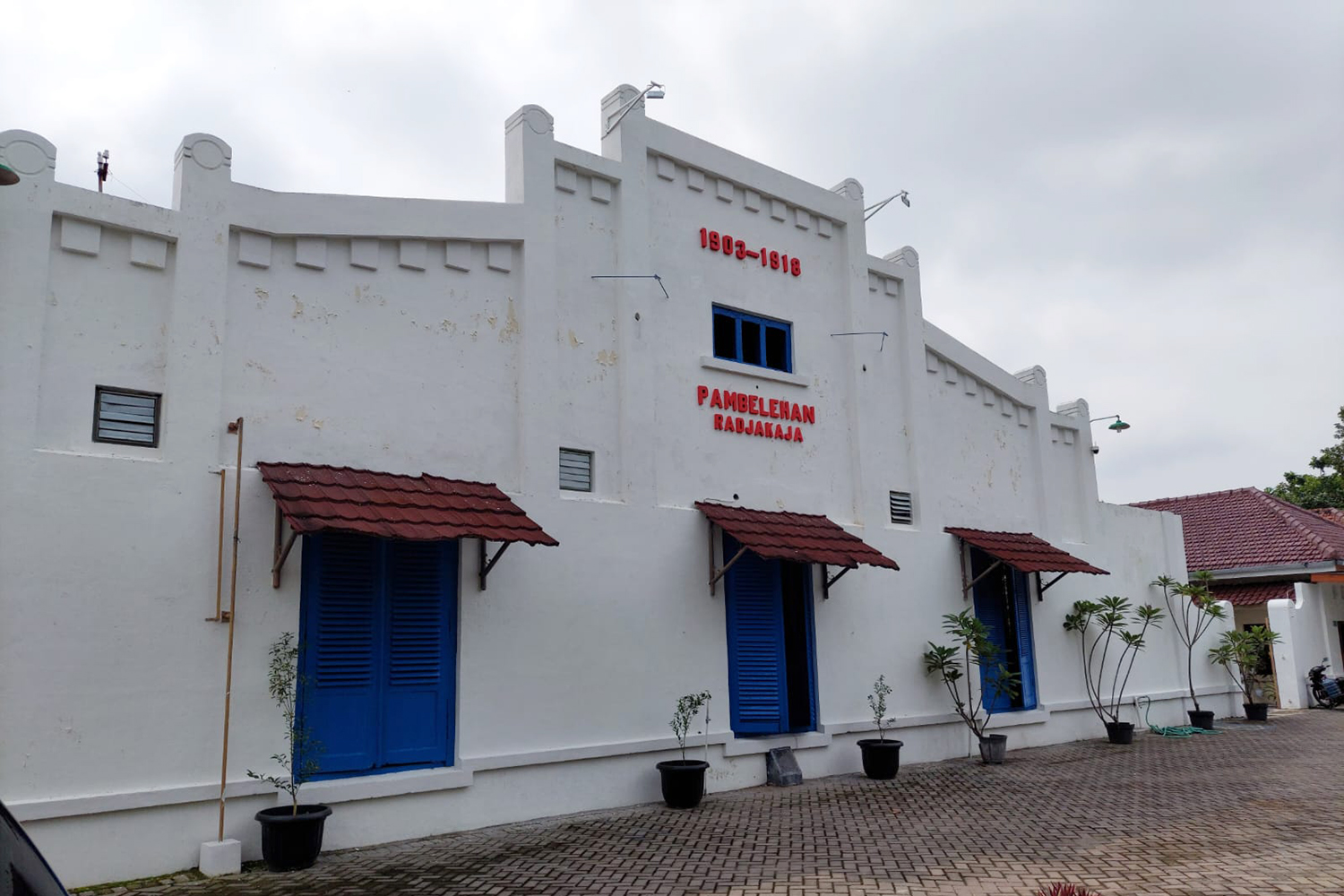
The Surakarta Abattoir, now known as the Jagalan Slaughterhouse (RPH Jagalan), was established in 1903 by Sri Paku Buwono X (PB X), the ruler of the Surakarta Palace. Its establishment was a response to the growing demand for meat among the people of Surakarta, both within the palace and in the wider community. The rising need, particularly for palace ceremonies and festive events, motivated PB X to create a facility capable of meeting meat supply requirements with proper standards.
The Surakarta Abattoir was originally located on the outskirts of Surakarta, in the area that is now known as Kampung Jagalan or Jagalan Village. At that time, the area was relatively quiet and far from dense settlements. Situated near the Kerkhof, the European cemetery, the area feels even more secluded. With the construction of the Abattoir, however, the area began to develop, and housing for butchers grew around it. The name Jagalan eventually became the identity of the neighborhood, which was associated with livestock slaughtering activities.
The Abattoir was designed in the distinctive colonial architectural style, reflecting the aesthetics of PB X’s era. The main complex consisted of several functional sections, including:
1. Cattle Slaughterhouse
This section was used to slaughter livestock (Rojokoyo) in accordance with Islamic law, such as cows, buffaloes, and goats. The slaughtering process followed procedures established by the Indonesian Ulama Council (MUI) to ensure halal certification. The building faces west.
2. Pig Slaughterhouse
Separate from the cattle slaughterhouse, this section was used for pig slaughtering. The separation was essential to prevent cross-contamination between halal and non-halal meat. It was located at the back of the complex, across the Solo River. The building was spacious, accommodating various slaughtering and meat-processing activities while maintaining standards of cleanliness and efficiency. At its peak, the Surakarta Abattoir employed around thirty skilled butchers, who were considered highly experienced in their craft.
Tumbuhkan marketing Anda dan bisnis online Anda